Ratio: 10g of coffee / 100mL water
(Approx. 15g coffee for a 2 cup Moka; 30g for a 4 cup Moka; 40g for a 6 cup Moka)
Moka pot grind size: Use a medium-coarse grind - coarser than espresso but finer than a French press. Getting your grind right is one of the biggest factors in how your stovetop coffee turns out, so it's worth dialling in before anything else.
1.) Unscrew the top of the Moka pot. Have your medium-coarse ground coffee measured and ready before you begin - this small step makes the whole process much smoother.
2.) Fill bottom chamber with hot water. Some pots have a line indicating the maximum water level; if not, be sure to keep the water just under the pressure valve. Always fill the chamber with very hot water. (We like to use boiling water and pre-boil our water in a kettle first). This not only speeds up the process by taking less time to boil, but will ensure a less bitter taste.
3.) Fill the basket with coffee and level it out - but don't press it down. Avoid a grind that is too fine, as this will make your moka coffee taste bitter and over-extracted. You can experiment with the amount used, but a general rule of thumb is a tablespoon of coffee for each cup of water.
4.) Place the metal filter into the water chamber. Make sure it fits snugly and there isn’t anything blocking it. (The pressure needs to build up to start the brewing process).
5.) Screw the top to base. You can use a cloth to assist if the water chamber is too hot. Ensure the two halves are tightened securely or else pressure will release and compromise your brew.
6.) Place on stove on a low heat. Note that all Moka pots work on most electric and all gas heaters, and even on an open fire. Only select models, however, will work on induction stovetops - if you're using an induction heater, please double-check that your Moka pot is compatible before use.
7.) After a minute, coffee will emerge from the spout. Once you hear a gurgling sound it means that all the water has evaporated from the bottom chamber. Avoid overheating the Moka pot.
Run the base under cold water if sputtering begins - the sooner the pot cools, the better your stovetop coffee will taste, helping you avoid a burnt, bitter result.
Note: The moka pot naturally produces a stovetop espresso with quite a good level of suspended particles - a.k.a. grit! Many moka pot lovers enjoy this thicker, heavier mouthfeel. However, if you prefer a cleaner cup, try adding an AeroPress filter on top of the coffee prior to assembling the Moka pot. This will filter out many of the larger-sized particles and leave you with a noticeably smoother result (if that is your preference!)

All Coffee Products

Coffee Blends

Single Origin Coffee
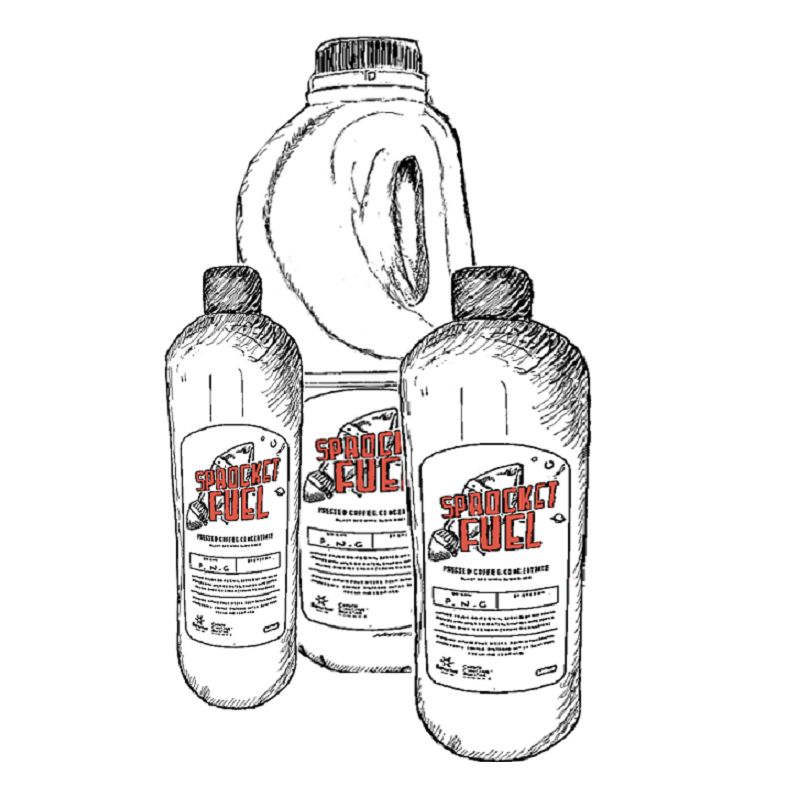
Cold Brew and Cold Brew Cans

Sprocket Merch
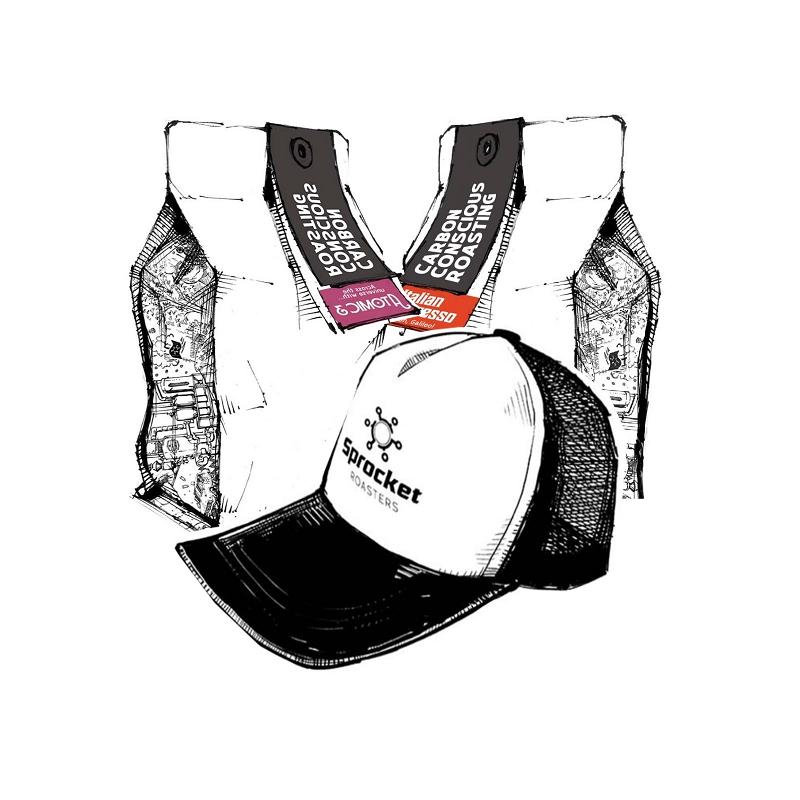
Coffee Hampers & Coffee Gift Packages - Perfect Presents for Coffee Lovers
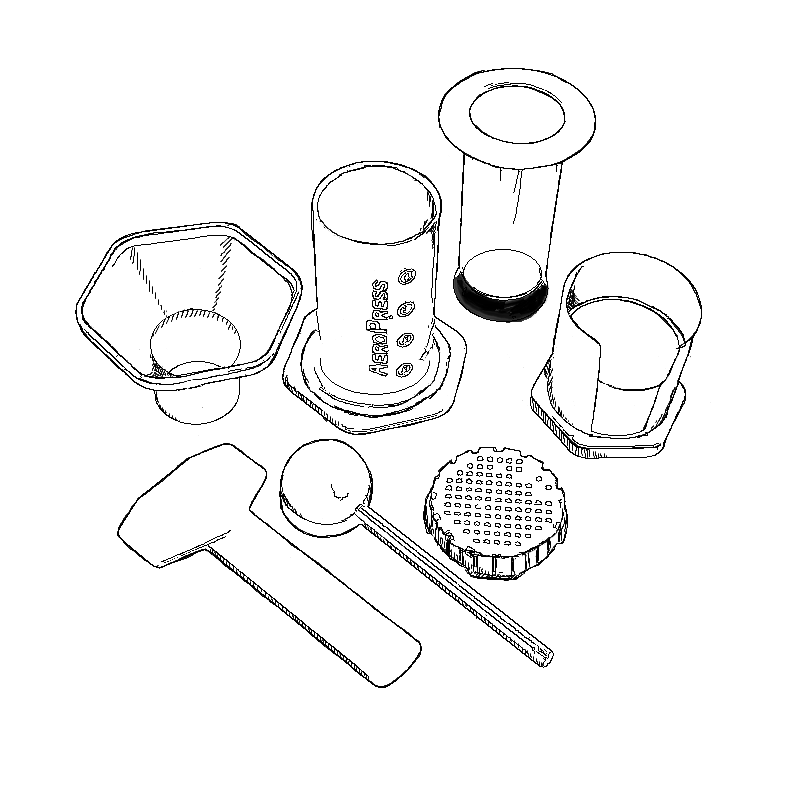
Coffee Gear - Coffee Equipment & Accessories

Coffee Subscription
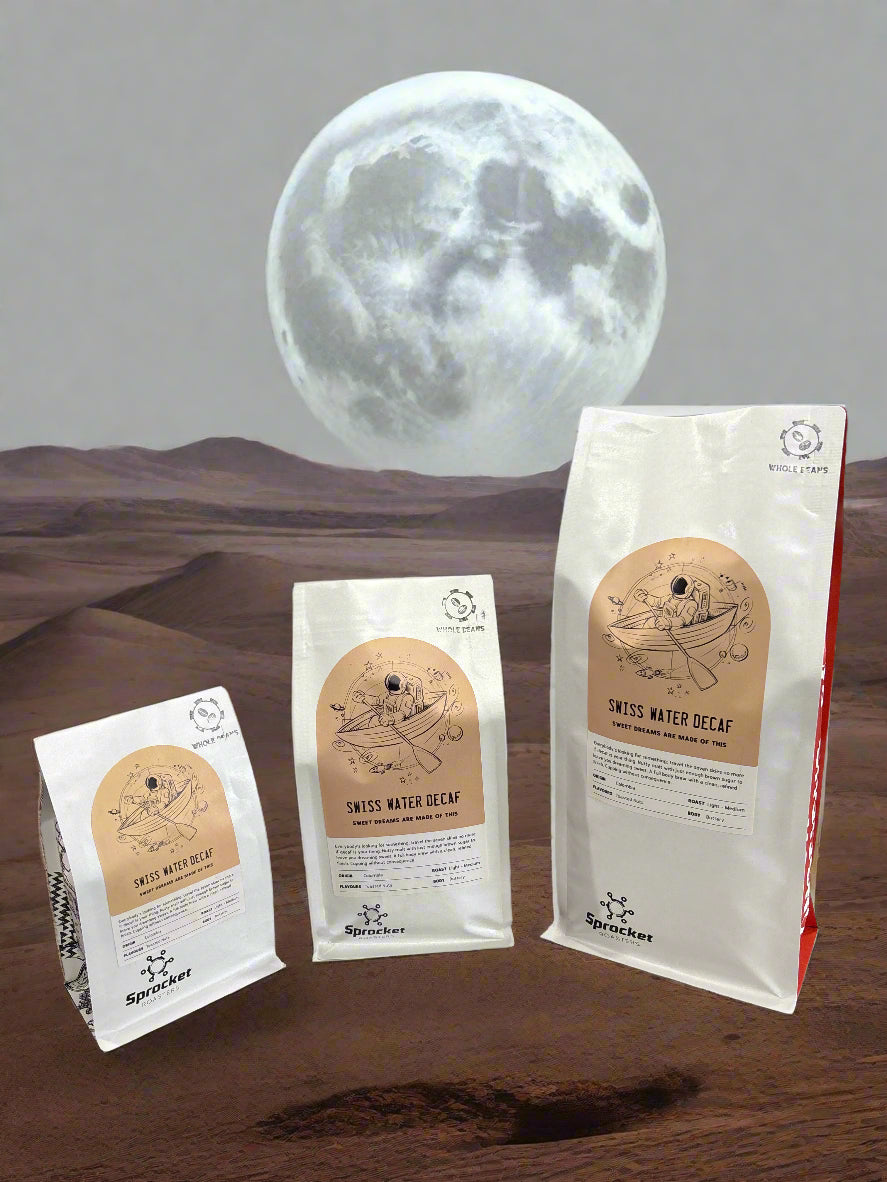
Decaffeinated

Gift Certificate

Hot Chocolate, Chai, Syrups & Ancillary Products
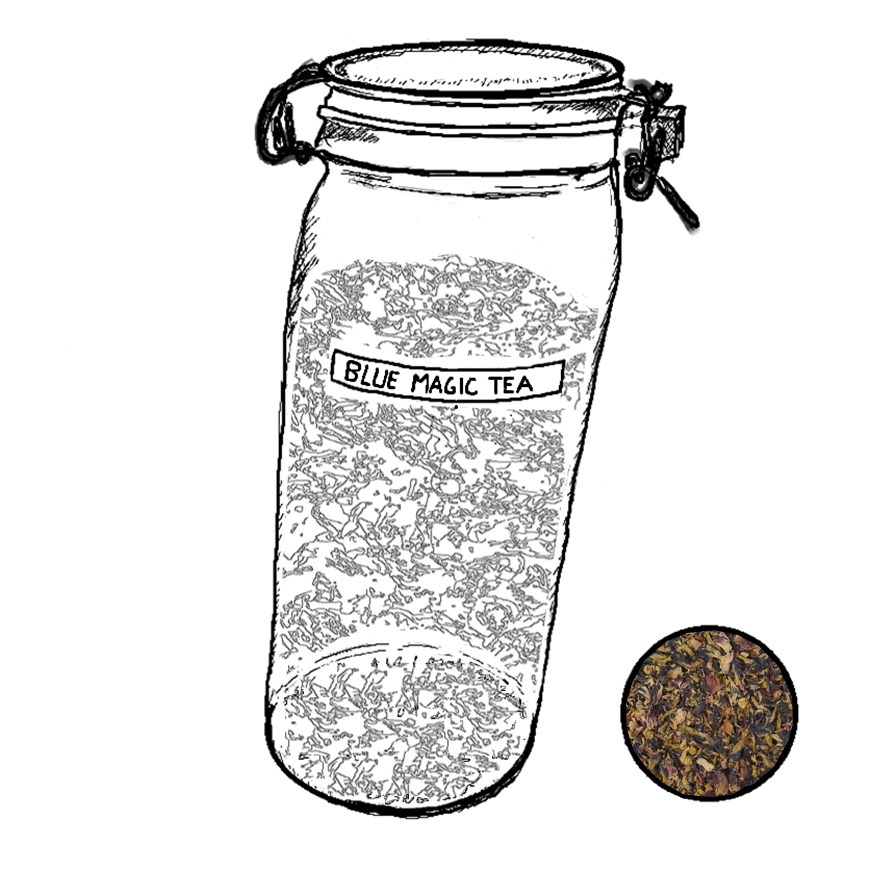
Organic Loose Leaf Tea
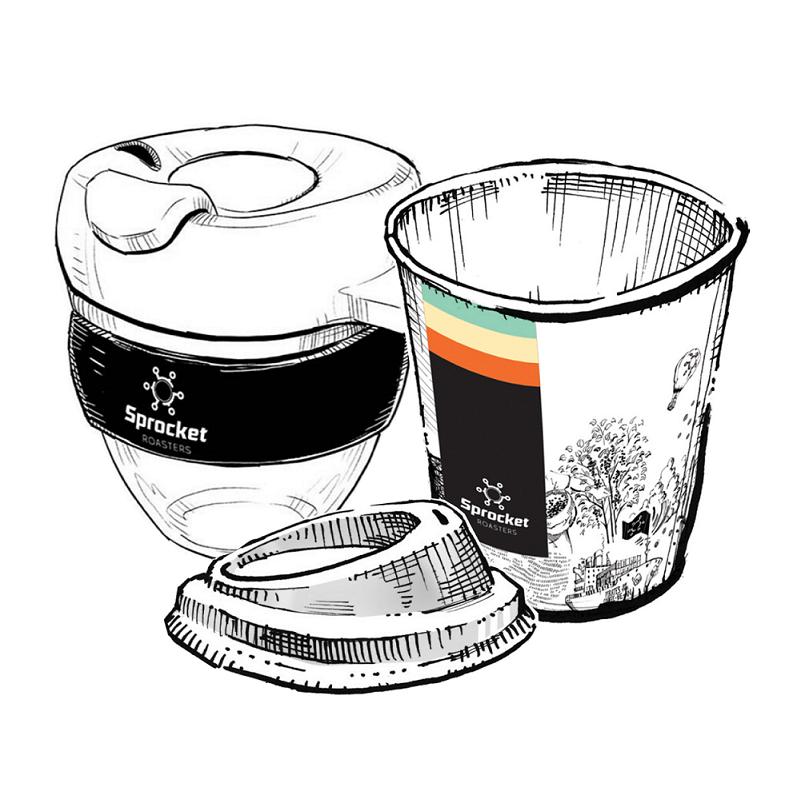
Reusable Cups & Takeaway BioCups